Working with Children, Families, and Communities in Contemporary Society
" This digital portfolio has been developed as a professional resource for early childhood educators to support their work with children and families in diverse and complex contexts. In contemporary Australian society, children’s experiences are shaped by a wide range of social, economic, cultural, and environmental factors. Understanding these influences is essential for creating inclusive, responsive, and equitable early childhood environments."
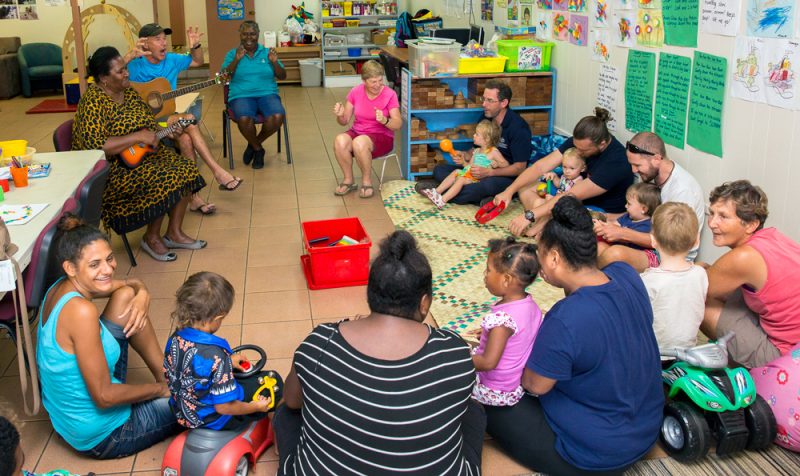
🔹 Why This Matters in Early Childhood Education
Early childhood is a critical period of development, where experiences can have lasting effects on children’s learning, health, and wellbeing. Increasingly, educators are working with children who are navigating complex life circumstances, including poverty, family disruption, cultural transitions, trauma, and crisis situations.
Bronfenbrenner’s ecological systems theory (1979) highlights that children’s development occurs within interconnected systems, including family, community, and broader societal structures. These systems are dynamic and bidirectional, meaning that children both influence and are influenced by their environments. As such, early childhood educators play a vital role in responding to these influences through inclusive, supportive, and informed practice.
This resource explores five key family and community contexts that significantly impact children’s development and wellbeing:
- Economic contexts
- Social contexts
- Cultural and diversity contexts
- Health and wellbeing contexts
- Crisis and emergency contexts

A Focus on Diversity and Inclusion
Australia is a culturally diverse and evolving society. Children and families bring unique identities, experiences, and strengths into early childhood settings. However, systemic inequalities and social challenges can impact access to resources, opportunities, and support.
This portfolio recognises that:
- Diversity is a strength that enriches learning environments
- Children’s experiences are shaped by intersecting factors (e.g. culture, income, health)
- Inclusive and equitable practices are essential for promoting positive outcomes
Educators are encouraged to adopt culturally responsive, trauma-informed, and relationship-based approaches that respect and value all children and families.
Connecting Theory, Policy, and Practice
This resource integrates:
- Sociological theories (e.g. Bronfenbrenner, attachment theory, trauma theory)
- Australian policy frameworks (e.g. EYLF, NQF, Closing the Gap)
- Evidence-based strategies for practice
By connecting theory and research to real-world application, the portfolio supports educators in developing reflective and informed practices that respond to children’s needs.
Supporting Educators in Practice
Each section of this portfolio provides:
- Analysis of how specific contexts impact children and families
- Practical strategies for supporting children’s learning and wellbeing
- Information on community organizations and professional partnerships
- Resources, including books, programs, and media, to support children’s understanding and resilience
This approach ensures that the portfolio is not only theoretical but also a practical, accessible tool for educators.
Critical Reflection
While significant efforts have been made through policy and practice to support children and families, it is evident that inequities and challenges persist in contemporary society. Early childhood educators are uniquely positioned to act as advocates, supporters, and facilitators of positive change. Through reflective, inclusive, and collaborative practice, educators can contribute to improving outcomes for all children, particularly those experiencing vulnerability.
Navigation Guide
- Economic Contexts
- Social Contexts
- Cultural & Diversity Contexts
- Health & Wellbeing Contexts
- Crisis & Emergency Contexts
Create Your Own Website With Webador